What to Look for in a Mattress Topper?
A mattress topper sits quietly on top of your mattress, but it can completely change how your bed feels. It’s not dramatic. It doesn’t look revolutionary. Yet the first night you use the right one, you notice it.
So, what does a mattress topper do? In simple terms, it adjusts comfort, improves support, and adds a protective layer that can extend the life of your mattress. The purpose of a mattress topper isn’t to replace your bed. It’s to refine it.
This article walks through what defines a topper, its key benefits, materials, and exactly what to look for in a mattress topper before buying one.
What Defines a Mattress Topper
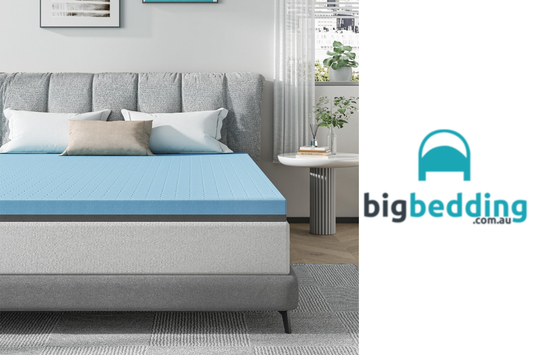
A mattress topper is a removable layer, usually 2-8 cm thick, designed to change the feel of your mattress. It can soften a firm surface or add firmness to something that feels too plush. It can improve pressure relief. It can also help with temperature regulation, depending on the material.
It’s different from a mattress protector. And that distinction matters more than most people realise.
Mattress Topper vs Mattress Pad – Key Differences
A mattress pad is thin. Its job is protection and light cushioning at best. A topper, on the other hand, is about comfort and support.
-
Comfort vs Protection: Pads protect. Toppers transform.
-
Thickness: Toppers are thicker and engineered for pressure relief.
-
Materials: Memory foam, latex, wool, feather. These actively affect how your body interacts with the mattress.
If you’re looking to change how your bed feels, a pad won’t do it. A topper might.
Key Functions: What Does a Mattress Topper Do?
Primary Purposes
A good topper can:
Adjust firmness and comfort level
Too firm? It softens. Too soft? A denser option adds structure. That’s often the answer to why use a mattress topper instead of buying a new mattress.
Improve support and pressure relief
It redistributes body weight, reducing pressure on shoulders, hips, and lower back. This is why people search for a firm mattress topper for back pain.
Regulate temperature
Certain materials encourage airflow or wick moisture. Others retain warmth for colder months.
Extend mattress life
It absorbs daily wear, reducing sagging over time.
Improve hygiene
Some toppers resist allergens and create a cleaner sleep surface.
User-Specific Benefits
For back pain sufferers, a supportive topper can improve spinal alignment. They don’t cure discomfort entirely, but noticeably reduce morning stiffness.
For hot sleepers, breathable latex or wool can make nights less restless.
For ageing mattresses, a topper can temporarily mask mild sagging. Not fix it. Just soften the reality a little.
Mattress Topper Benefits You Can’t Ignore
When considering mattress topper benefits, the value often becomes clear once you break them down:
Boosts Sleep Comfort & Quality
A small change in surface feel can mean fewer position shifts overnight. Sometimes it’s surprising how much difference 5 cm makes.
Improves Spinal Alignment & Reduces Pain
A properly chosen topper distributes weight evenly, reducing pressure points. If your mattress is letting your hips sag, a firmer layer can fix that.
Customisable Sleep Feel
The best type of mattress topper can adjust both softness and firmness. This flexibility makes it ideal solution for renters or anyone not ready to replace their bed.
Temperature Control for Hot or Cold Nights
Helps regulate body temperature by improving airflow and reducing heat retention for more consistent, comfortable sleep year-round.
Cost-Effective Mattress Upgrade
A topper refreshes the feel of your existing mattress at a fraction of the cost of buying a completely new one.
Enhanced Hygiene & Allergy Protection
Creates a removable, protective layer that helps minimise dust, allergens, and everyday buildup on your mattress surface.
How a Mattress Topper Works
Toppers work by altering weight distribution. When you lie down, the material compresses in response to pressure, supporting curves while reducing stress on joints. The better the responsiveness, the more balanced the alignment.
Airflow also plays a role. Open-cell foams and natural fibres allow heat to dissipate instead of trapping it.
Materials & Performance
-
Memory Foam: Contours closely to the body. Excellent pressure relief. Some people love the “hug.” Others find it too enveloping.
-
Latex: Responsive and durable. Naturally cooler and more buoyant. Often considered the best type of mattress topper for those wanting support without sinking.
-
Feather & Down: Plush and luxurious. Softens firm beds beautifully, though it may compress over time.
-
Wool / Natural Fibres: Breathable and temperature-regulating. Ideal for year-round comfort.
There isn’t one universal winner. The right material depends on how you sleep and what currently bothers you about your mattress.
Choosing the Best Mattress Topper for You
If you’re wondering how to choose a mattress topper, start with three factors: firmness, thickness, and material.
Firmness Guide
-
Soft: Best for firm mattresses and side sleepers.
-
Medium: Balanced support for combination sleepers.
-
Firm: Suitable for those with back pain or for very soft beds needing stability.
Thickness Guide
-
2-3 cm: Subtle comfort boost.
-
5 cm: Noticeable pressure relief.
-
7-8 cm: Significant transformation.
Sleep Style Recommendations
-
Side sleepers benefit from softer, pressure-relieving materials.
-
Back sleepers often prefer medium support.
-
Stomach sleepers typically need firmer, thinner toppers to prevent excessive sink.
The best choice is rarely about luxury. It’s about alignment.
When a Mattress Topper Isn’t Enough
A topper cannot repair structural damage. If your mattress has deep sagging, broken springs, or severe unevenness, layering on top may only disguise the problem temporarily.
Also, stacking multiple toppers usually creates instability. It sounds clever. It rarely works well.
Sometimes, replacement is the smarter investment.
How to Look After Your Mattress Topper
Maintenance extends lifespan.
-
Rotate it every few months to prevent uneven wear.
-
Use a breathable protector.
-
Follow cleaning instructions specific to the material.
A little care goes a long way.
Conclusion
Understanding what to look for in a mattress topper comes down to comfort goals, support needs, and realistic expectations. Toppers adjust firmness, relieve pressure, regulate temperature, and extend mattress life.
If the mattress feels almost right but not quite, a topper might be the missing layer.
Ready to upgrade your sleep without replacing your entire mattress?
Whether you need pressure relief, temperature control, or a firm mattress topper for back pain, find the right fit at Big Bedding.
Visit https://www.bigbedding.com.au/ and explore the latest range of premium mattress toppers today.
FAQs
Can a mattress topper help with back pain?
Yes. A supportive, properly chosen topper can improve spinal alignment and reduce pressure on the lower back.
Do mattress toppers make mattresses cooler?
Some do. Latex and wool options improve airflow and temperature regulation.
How thick should a mattress topper be?
Most people prefer 5 cm for noticeable comfort improvement.
Do toppers prolong mattress lifespan?
Yes. They reduce surface wear and delay sagging when used consistently.