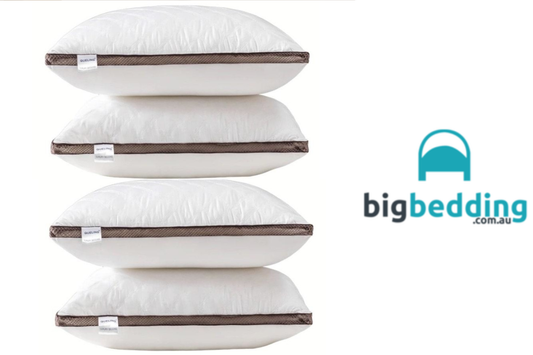
Soft Vs Firm Pillow: Which Is Right for You?
Walk into any bedding retail aisle or scroll through an online sleep store, and you'll quickly be faced with one of the most common dilemmas in the bedroom: soft vs firm pillow. Which one is actually better? Which one will help you wake up refreshed rather than tired and sore?
The truth is, the best pillow depends on your sleep position, your body, and what feels comfortable to you. But it’s not just a random choice. There’s real science and practical advice to help you decide, and once you know the differences, finding the right pillow can make a big difference in your sleep.
Let's break it all down.
What's the Difference Between a Soft and Firm Pillow?
Before diving into which pillow is right for you, it helps to understand what we actually mean when we talk about softness and firmness. Pillow firmness refers to the amount of resistance the pillow provides when you rest your head on it. A soft pillow will compress easily under the weight of your head, sitting low and conforming gently to your shape. A firm pillow, on the other hand, pushes back. It maintains its loft and structure, keeping your head elevated and your neck more rigidly supported.
The firmness of a pillow depends on what it’s filled with and how tall it is (loft). Down and microfibre pillows are usually softer, while latex, memory foam, and buckwheat pillows are often firmer. Understanding this is the first step in figuring out how to choose a pillow that genuinely works for you.
Sleep Position: The Biggest Factor in Your Decision
Your sleep position is the most important factor when choosing between a soft vs firm pillow. Here’s how different positions match up:
Side Sleepers: Go Firm
If you sleep on your side, a firm, high pillow is usually best. Lying on your side creates a gap between your shoulder and head that needs support. A soft pillow can sink too much, making your neck bend and causing strain. A firm pillow keeps your head, neck, and spine in line. Most side sleepers do well with a firm memory foam, latex, or gusseted pillow.
Back Sleepers: Medium Firmness Is Your Sweet Spot
Back sleepers usually need a medium-firm pillow. It should support the neck’s natural curve without pushing the head forward. If the pillow is too soft, your head sinks too low. If it’s too firm, your head is raised too much. Contoured memory foam or medium-density latex pillows hit that sweet spot beautifully.
Stomach Sleepers: Soft and Low Is the Way to Go
Sleeping on your stomach can be hard on your neck and lower back, no matter what pillow you use. But if you do sleep this way, a very soft, thin pillow is best. A firm pillow can push your neck up and cause pain. A soft pillow, or even no pillow, helps keep your neck in a better position. Down or thin microfibre pillows are usually the best choice for stomach sleepers.
The Case for a Soft Pillow
A soft pillow has a lot going for it, particularly if you prioritise that cosy, cloud-like feel. Here are the main advantages:
-Plush and luxurious feel: Soft pillows are often associated with that hotel-bed experience many of us crave.
-Lightweight and easy to scrunch: Great for those who like to fold or hug their pillow while sleeping.
-Ideal for stomach sleepers: The low resistance prevents excessive neck elevation.
-Generally more affordable: Down alternative and microfibre soft pillows are widely available at great price points across Australia.
There are some downsides to soft pillows. They can flatten out quickly and might not give enough neck support for side or back sleepers. You may need to replace them more often, as they can lose their shape after a few months of regular use.
The Case for a Firm Pillow
Physiotherapists and sleep specialists often recommend firm pillows. Here's what makes them worth considering:
-Superior spinal alignment: A firm pillow maintains its loft and keeps your head and neck in a neutral position, reducing the risk of morning aches.
-Greater durability: Firm materials like latex and memory foam hold their shape for longer, making them a better long-term investment.
-Better for neck and shoulder pain sufferers: The consistent support means less strain on muscles and joints overnight.
-Excellent for side sleepers: Bridges the shoulder-to-head gap effectively for proper alignment.
The main drawbacks of firm pillows are that they can feel less immediately comfortable, particularly if you're used to a softer feel. They can also retain more heat, something worth thinking about if you're sleeping through an Australian summer. Look for firm pillows with breathable covers or cooling technology to manage this.
Other Factors to Consider When Choosing a Pillow
Knowing how to choose a pillow goes beyond just firmness. Keep these additional factors in mind:
Body Size and Shoulder Width
If you have broader shoulders, you'll generally need a higher-loft, firmer pillow to adequately fill the space between your head and mattress, especially as a side sleeper. Petite sleepers may find a medium-loft soft pillow more than sufficient.
Your Mattress Firmness
Your pillow and mattress work together. If you sleep on a very firm mattress, your shoulder won't sink in as much, which means you may need a slightly softer, lower-loft pillow as a side sleeper. A softer mattress allows the shoulder to sink, requiring a firmer, higher-loft pillow to compensate.
Allergies and Sensitivities
If you're allergy-prone, opt for hypoallergenic firm pillows made from latex or memory foam rather than down or feather. Both latex and memory foam are naturally resistant to dust mites, making them a smart choice for those with allergies or asthma, a common concern for many Australians.
Quick Guide: Soft vs Firm Pillow at a Glance
-Side Sleeper: Firm, high-loft pillow; latex or memory foam recommended.
-Back Sleeper: Medium firmness, medium loft; contoured memory foam or latex.
-Stomach Sleeper: Soft, low-loft; down, microfibre, or thin foam.
-Neck or Shoulder Pain: Firm, supportive; orthopaedic memory foam or latex.
-Hot Sleeper: Choose breathable firm options; latex, buckwheat, or cooling gel foam.
Final Thoughts
When it comes to the soft vs firm pillow debate, there's no universal winner. The right pillow for you depends on your sleep position, your body, and any health needs you have.
Try out different pillows and give each one at least a week to see how it feels. Notice how your neck and shoulders feel in the morning. The best pillow is the one that keeps your spine straight, your muscles relaxed, and helps you sleep well.
Looking for a new pillow?
At Big Bedding, we offer a wide range of pillow collections from leading Australian brands. Whether you prefer down, latex, or memory foam, we have pillows in varying levels of softness and firmness. Visit https://bigbedding.com.au/ today and find the right pillow for an undisturbed sleep.